Why Every Student Pilot Should Do Simulator Training Before Starting Flying (Complete Guide for CPL Aspirants)
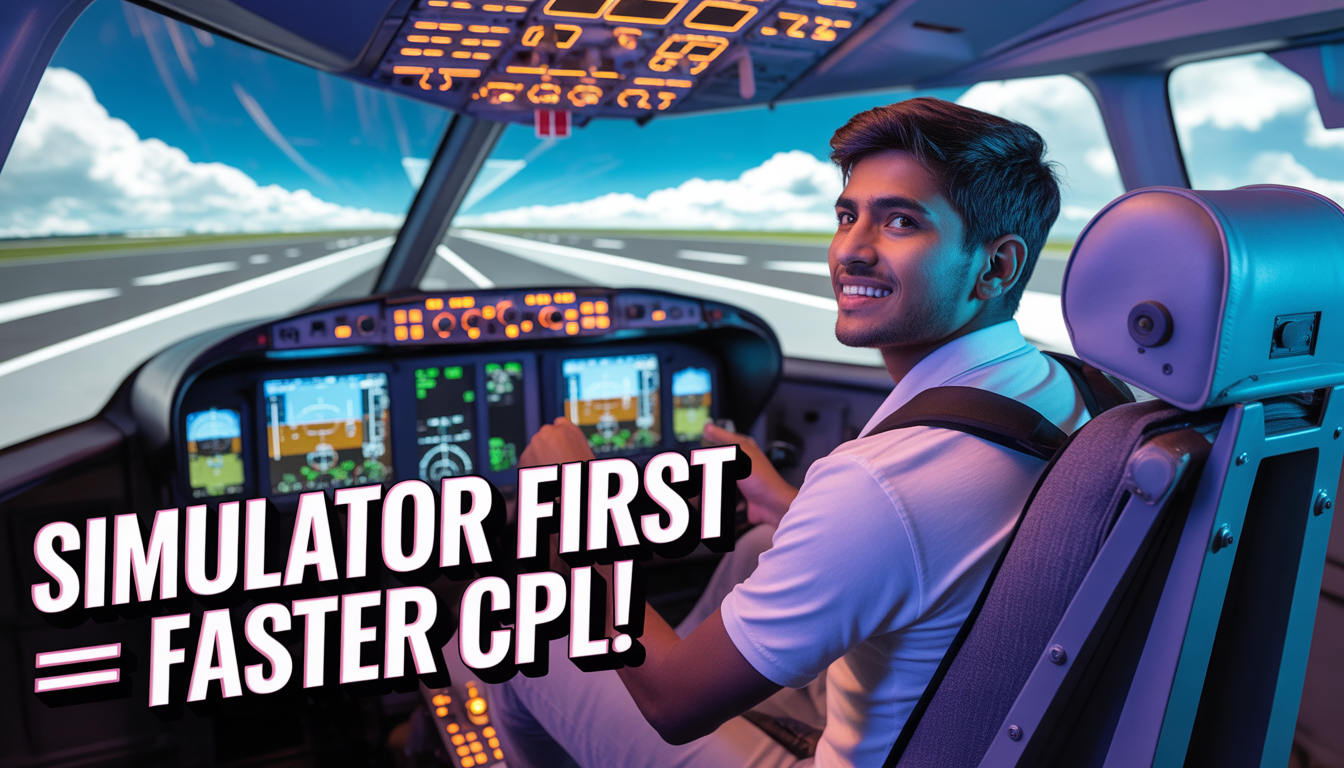
Starting your flight training is one of the biggest milestones in your aviation journey. But before you jump into the cockpit, there is one step that can dramatically improve your skills, confidence, and safety — Simulator Training.
In India and abroad, more and more students are choosing to complete basic and advanced simulator sessions before their first flying hour, and the benefits are massive. This blog explains why sim training is essential, how it helps you score higher in DGCA exams, how it reduces flying cost, and which simulators are ideal for beginner pilots.
What Is Simulator Training for Student Pilots?
Simulator training involves practicing real-world flying scenarios on a certified flight simulator. These devices replicate aircraft controls, instruments, environment, and ATC communication — allowing you to learn without burning flying hours.
Before starting real flying, simulator training helps you:
-
Understand cockpit layout
-
Learn basic handling
-
Practice checklists
-
Build confidence
-
Reduce fear or overwhelm
-
Save money by reducing mistakes during early flying
Why You MUST Do Simulator Training Before Starting Flying
1. Faster Learning Curve When You Start Flying
Students who start flying without simulator practice take longer to adjust to:
-
Aircraft controls
-
Radio calls
-
Situational awareness
-
Basic turns, climbs, and descents
With simulator training, your first 10 hours of flying become MUCH easier because the basics are already practiced on the ground.
2. Saves You ₹50,000 to ₹2,00,000 in Flying Costs
Every extra hour you need because of poor preparation costs money.
When you know the basics from simulator practice:
-
You make fewer mistakes
-
Your instructor requires fewer hours to clear exercises
-
Your learning becomes structured
Sim training helps you avoid unnecessary repeat lessons, which saves lakhs in the long run.
3. Helps You Perform Better in DGCA CPL Exams
Sim sessions strongly reinforce concepts in:
-
Air Navigation
-
Technical General
-
Meteorology
-
Flight Planning
-
Instruments
This makes the DGCA exams easier to understand and gives you a practical perspective while studying.
4. Improves Confidence & Reduces Anxiety for First-Time Flyers
Many beginners feel nervous during the first few hours of flying. Simulator experience acts as a confidence booster because you already understand how the cockpit feels and responds.
You enter flying with:
-
Clear understanding
-
Better hand-eye coordination
-
Familiarity with instruments
-
Muscle memory in controls
5. Perfect for Practicing Emergencies Without Any Risk
In the air, emergencies cannot be practiced frequently.
In a simulator, you can practice:
-
Engine failure
-
Radio failure
-
Bad weather
-
Navigation diversions
-
System malfunctions
This builds solid decision-making skills before you touch the aircraft.
6. Helps You Master Radio Telephony (RTR) Communication
Simulator sessions often include:
-
ATC calls
-
Taxi instructions
-
Takeoff clearance
-
Circuit patterns
-
Emergency communication
This prepares you early for RTR Part 2, which is mandatory for CPL.
7. Helps You Identify Whether Flying Is Right for You
Sim training gives you the closest possible experience to real flying.
If you enjoy it and adapt quickly — flying will come naturally.
If you feel overwhelmed — you can work on your weak areas before spending money on actual flying.
How Many Simulator Hours Should You Do Before Flying?
For new pilot students, the ideal range is:
-
10–20 hours of basic simulator training, and
-
10+ hours of procedural and advanced sim for Instrument Rating.
This prepares you fully for your first few flight lessons and reduces your dependency on instructors.
Best Time to Get Your Instrument Rating
-
You can choose from:
1. Basic Procedural Trainers (Affordable)
For learning:
-
Checklists
-
Engine start
-
Taxi basics
-
Basic IFR skills
2. 1:1 Scale Simulator (Highly Recommended)
Closest to real aircraft flying with:
-
Advanced navigation
-
Emergencies
-
Radio nav aids
-
IFR practice
3. Full Motion Simulators (Premium)
-
- Ideal for advanced understanding but optional for beginners, usually for airliners while getting trained for big commercial jet.
When to Start Simulator Training?
The best time is before flying — ideally just after starting your DGCA exams or right after finishing them.
This way:
-
Your theory + simulator + flying becomes perfectly aligned
-
You save time, cost, and effort
-
You avoid struggling with basic handling in the aircraft
Final Thoughts
-
Simulator training is one of the smartest investments a student pilot can make.
It improves your learning curve, increases your confidence, sharpens your decision making, and reduces your overall flying cost.Before you begin your CPL flying journey — whether in India or abroad — 10–20 hours of sim training can save you money, time, and stress.